
Thermal Design and Optimization of Starter-Generator (H.A.L)
Thermal optimization of helicopter starter–generator
Jan 2024 - May 2024 | Hindustan Aeronautics Ltd. (H.A.L)
Project Context
A helicopter starter–generator (SG) dissipates a significant fraction of input power as heat and is required to operate continuously without external cooling. Reported overheating and sparking near the brush region indicated limitations of the existing self-cooled centrifugal fan configuration under sustained operation.
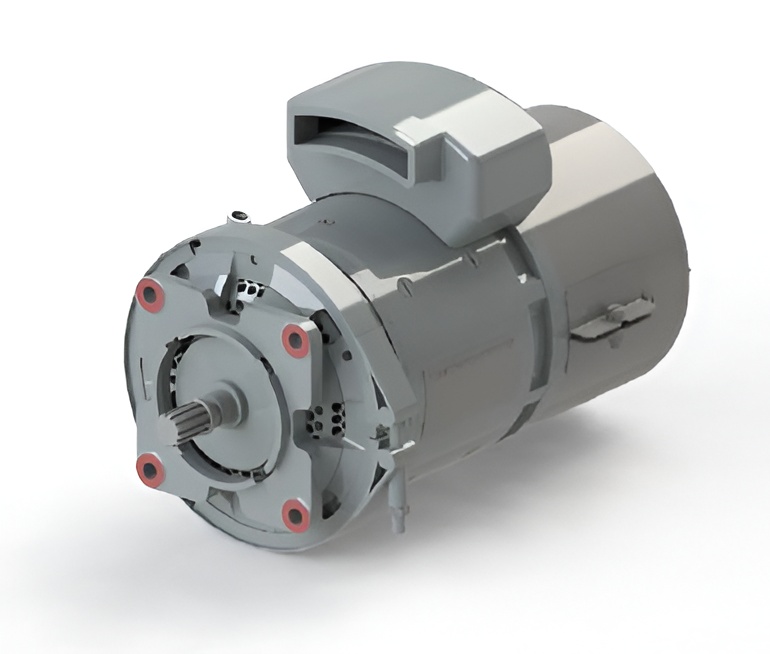
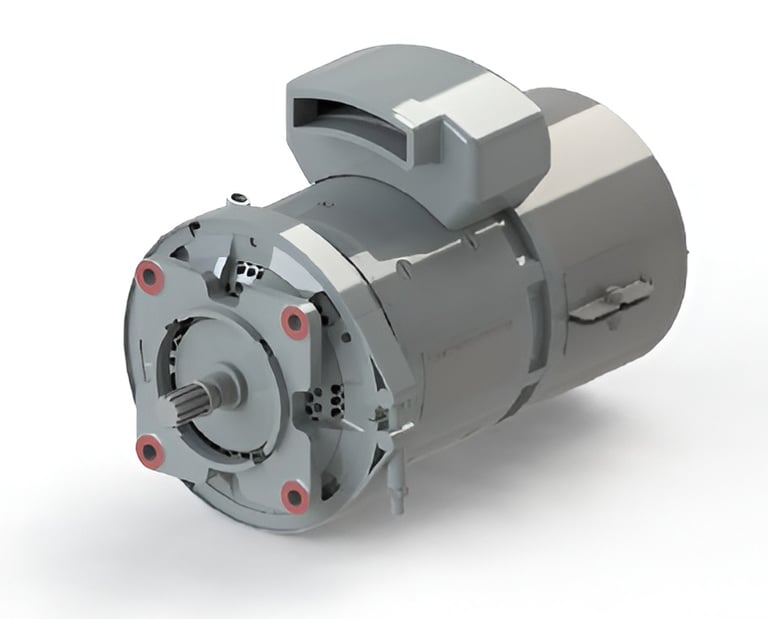
Engineering Problem
Excessive local temperatures near brushes and commutator during continuous duty
Inefficient internal airflow distribution with the existing centrifugal fan
Requirement to improve cooling effectiveness without weight or size penalties
Operation across wide speed (7,000–12,500 rpm) and altitude conditions
Approach & Methodology
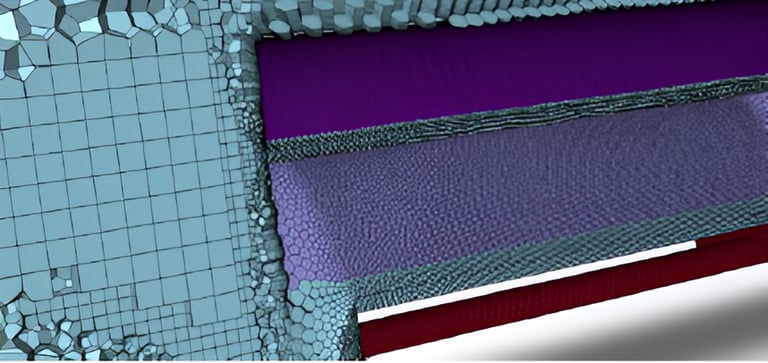
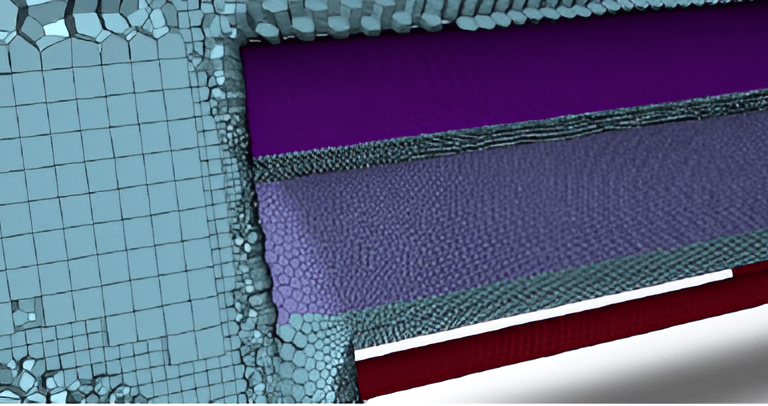
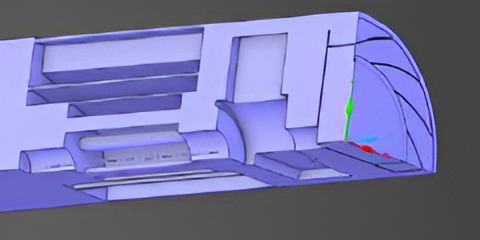
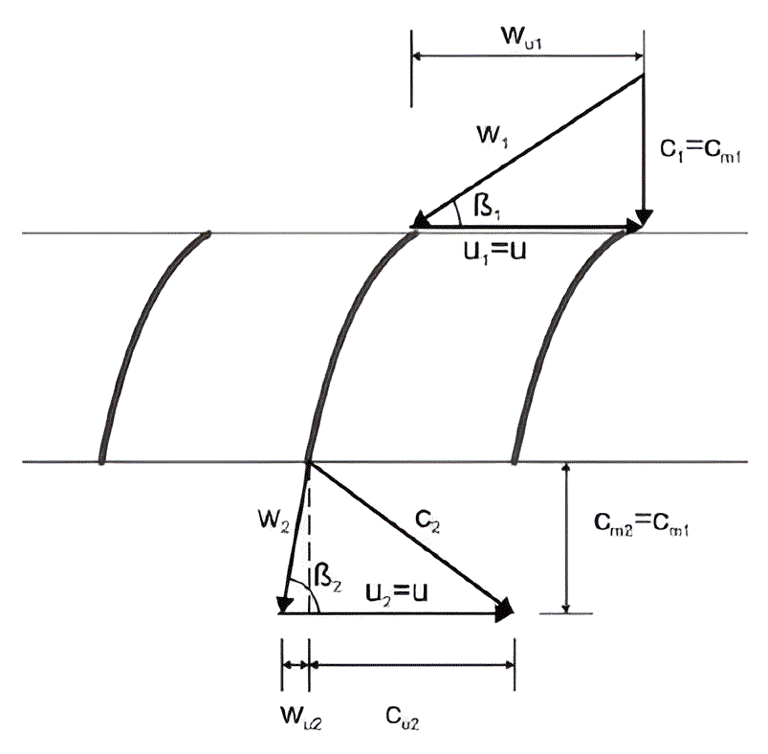
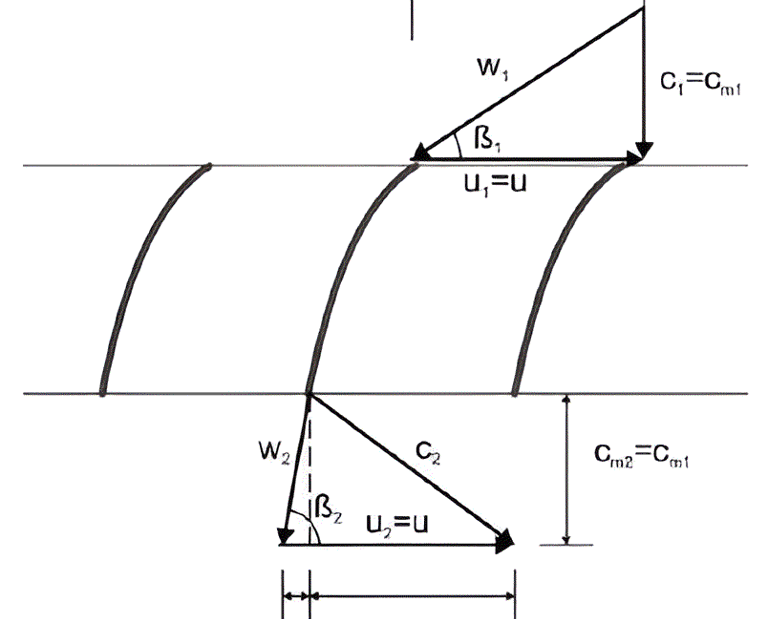
A conjugate internal-flow and heat-transfer CFD analysis was performed on the full SG air domain. The baseline centrifugal fan configuration was simulated to identify flow structures and thermal hot spots. An alternative axial-flow fan configuration was then introduced, with hub-to-tip ratio and blade angles selected from analytical relations and literature. A parametric study varied inlet axial velocity to quantify its effect on peak component temperatures.
Key Results
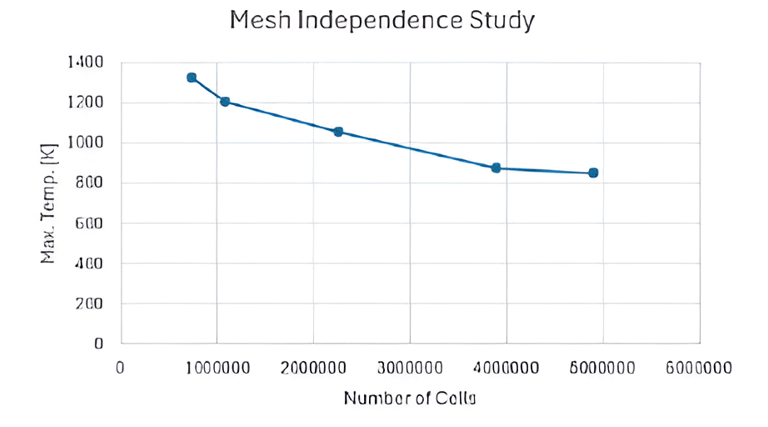
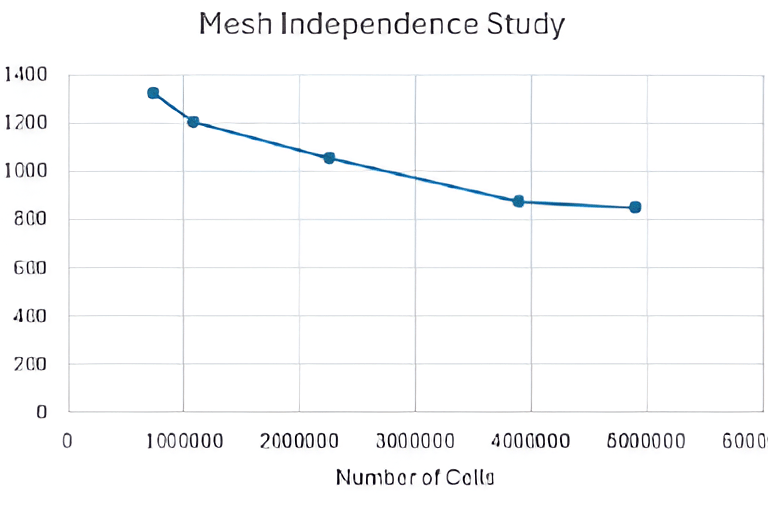
Base (centrifugal fan) case predicted brush temperatures up to ~875 K, exceeding acceptable limits
Strong inlet-side vortex formation observed near the brush region in the base case
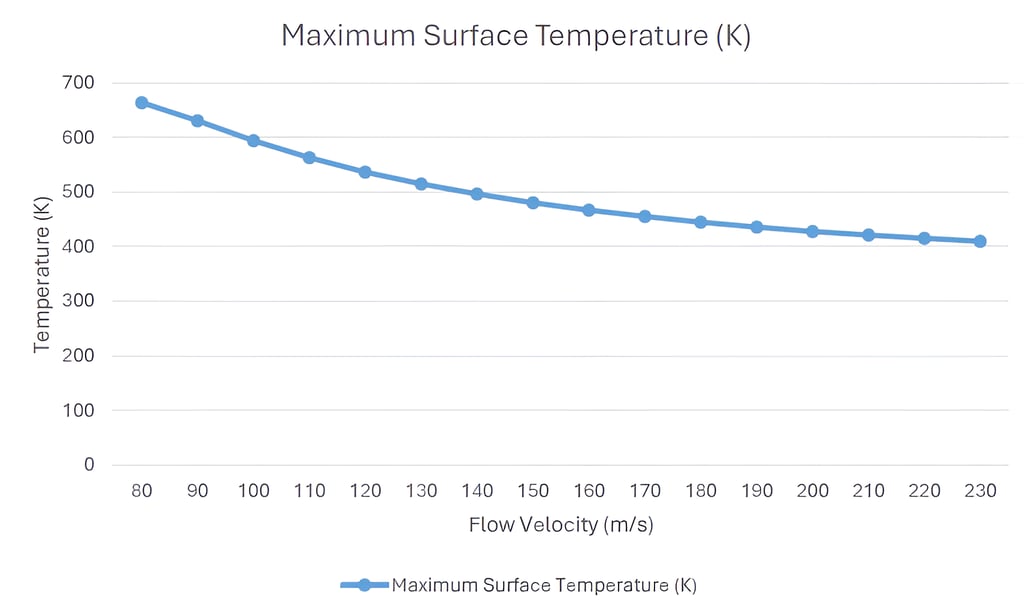
Axial-flow configuration reduced maximum surface temperature from ~664 K at 80 m/s to ~410 K at 230 m/s inlet velocity
Increasing axial inlet velocity produced a monotonic reduction (~38%) in peak temperature across the studied range
Optimal axial fan hub diameter analytically estimated as 40.8 mm (hub-to-tip ratio ≈ 0.3)
Engineering Judgment & Trade-offs
The centrifugal fan provided inadequate mass flow for high heat rejection despite compact integration. The axial-flow concept significantly improved thermal performance by increasing throughflow but requires careful blade-angle and hub-ratio selection to balance manufacturability, structural integrity, and flow uniformity. Velocity-based inlet modeling was adopted to isolate cooling effectiveness without committing to a finalized fan geometry.
Tools & Methods
ANSYS Fluent, SolidWorks, Fan Sizing, CFD, SST k–ε turbulence model with energy equation, hand-calculations.
Outcome / Takeaway
The study demonstrated that an axial-flow cooling strategy can substantially reduce critical SG temperatures without geometric growth. The results provided validated thermal targets and preliminary fan design parameters to guide detailed axial fan design and experimental validation.
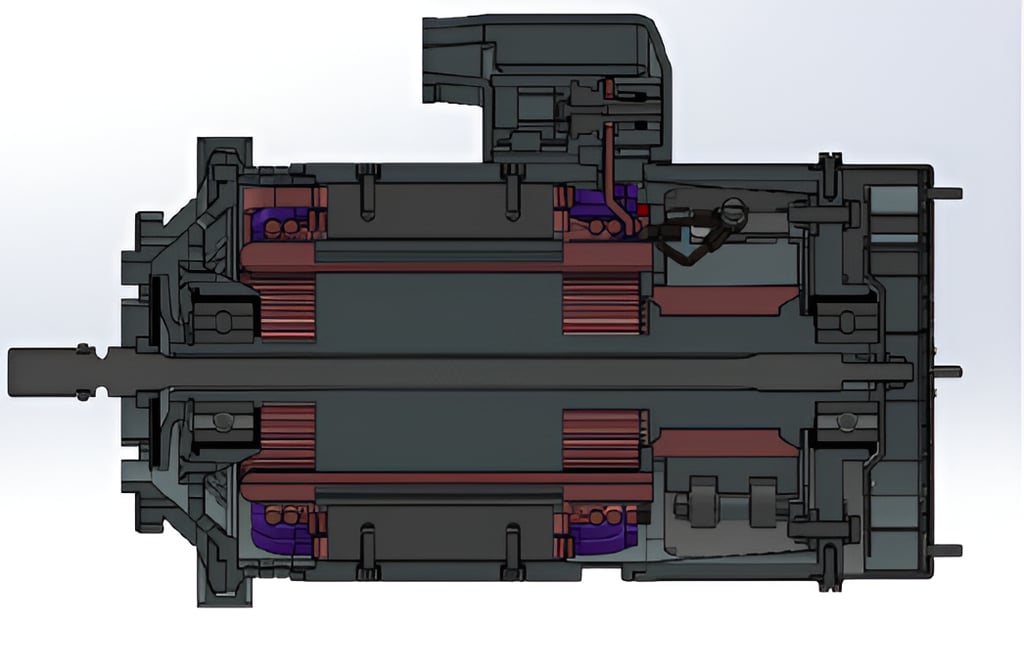
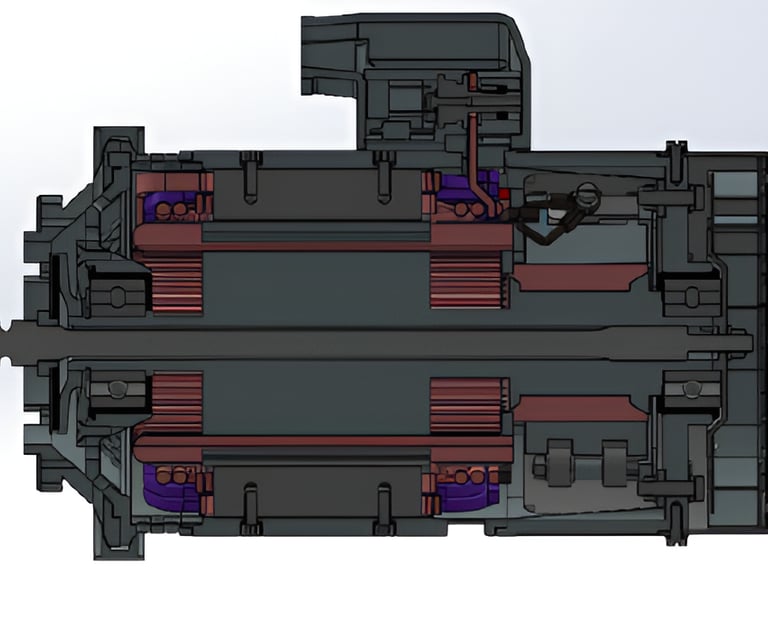
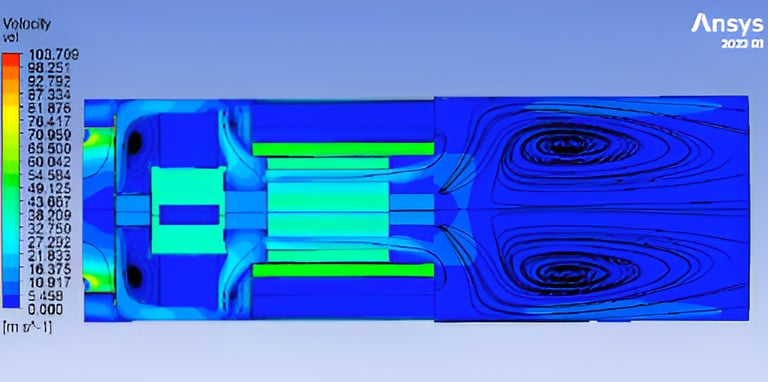
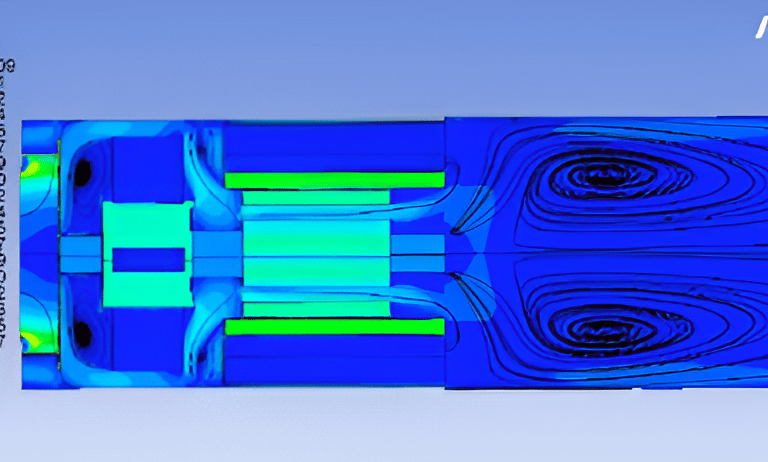
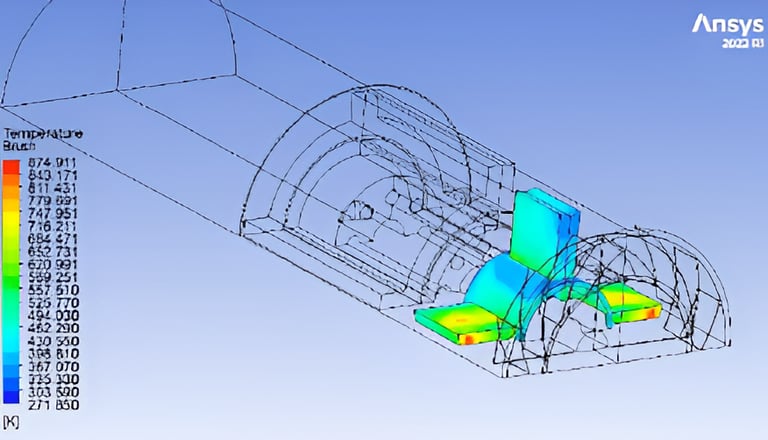
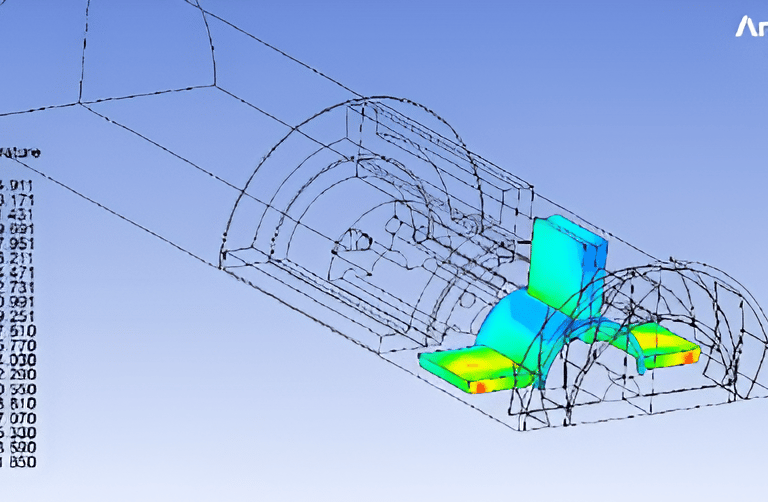
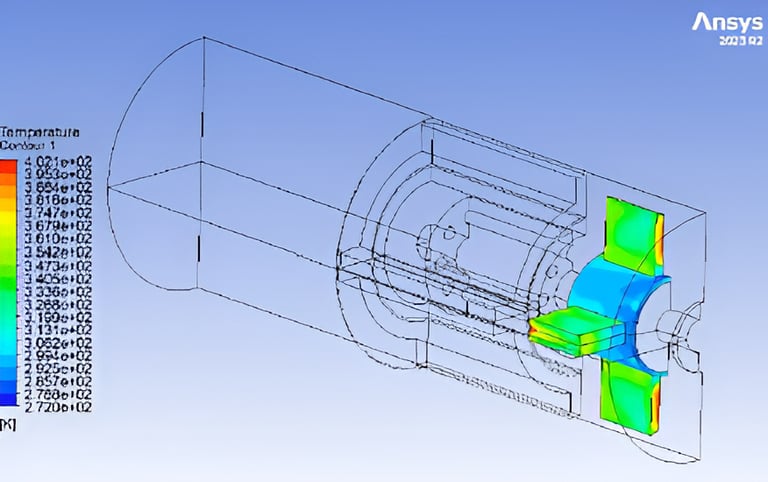
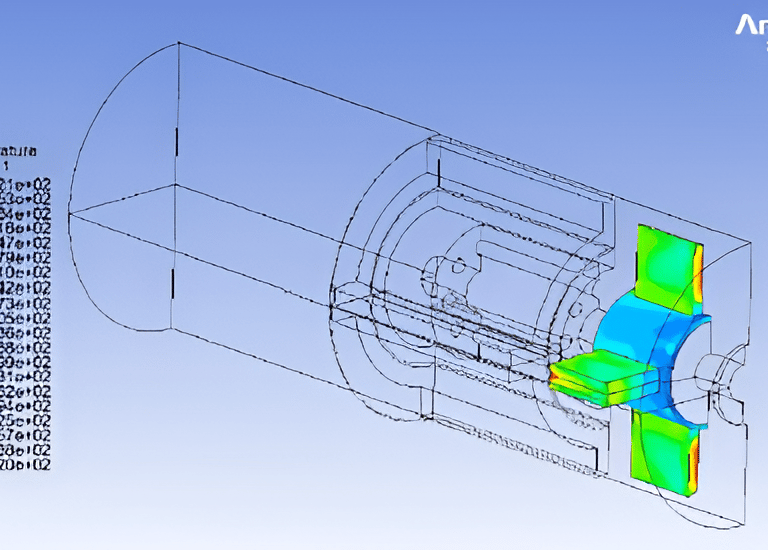
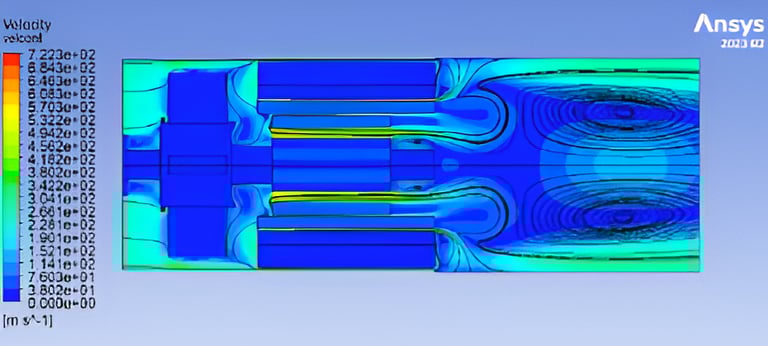
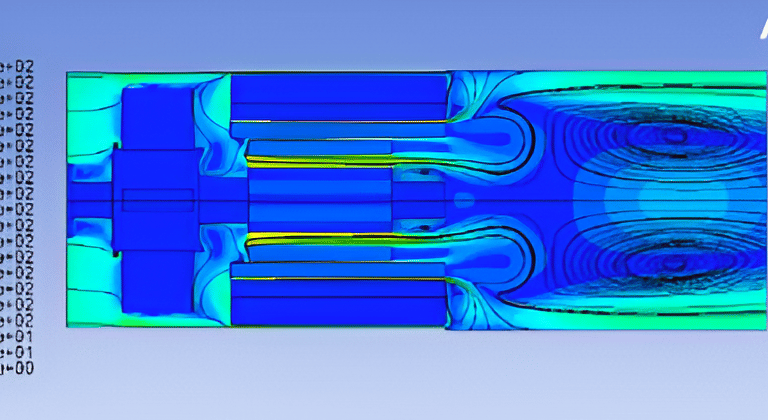
Base Case
(Centrifugal Fan)
Improved Case
(Axial Fan)