Phase-Field Modelling of Material Fracture
Phase-field modeling of fracture and instabilities
Aug 2024 - Aug 2025 | Bachelor's Thesis, IIT Roorkee
Project Context
This final year bachelor's thesis, under the supervision of Prof. M.M. Joglekar, focused on computational modeling of brittle fracture using the phase-field method, implemented from first principles. The objective was to study crack initiation and propagation under different loading modes without explicit crack tracking, using a custom finite-element formulation.


Engineering Problem
Model fracture initiation and crack growth without prescribing crack paths
Implement a coupled displacement–damage formulation consistent with variational fracture mechanics
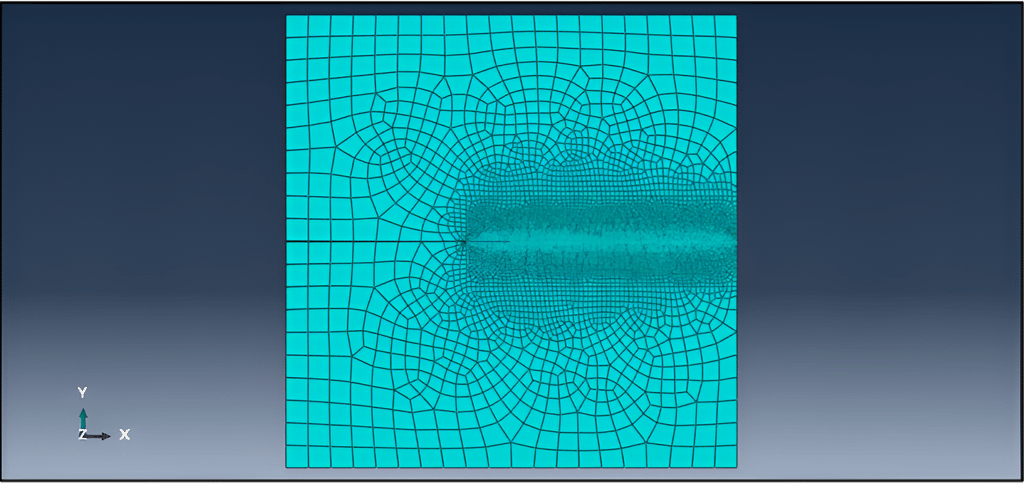
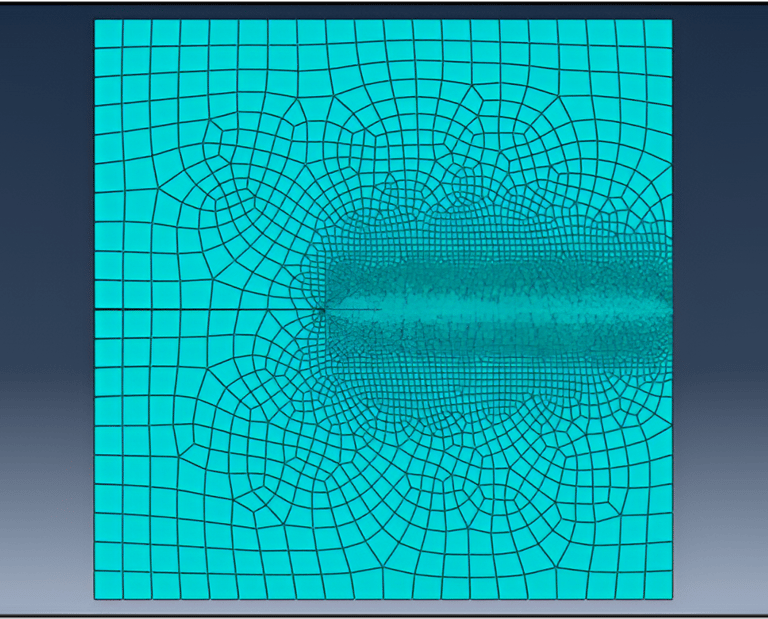
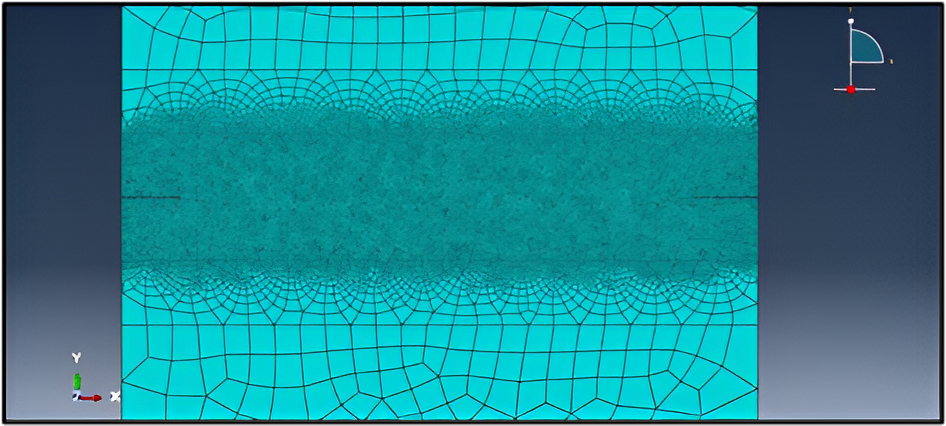
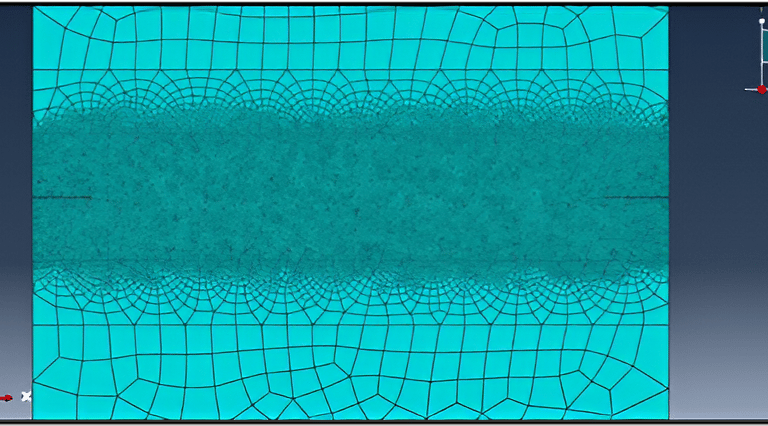
Resolve sharp crack gradients while maintaining numerical stability
Study fracture behavior under different loading conditions such as tension and shear
Approach & Methodology
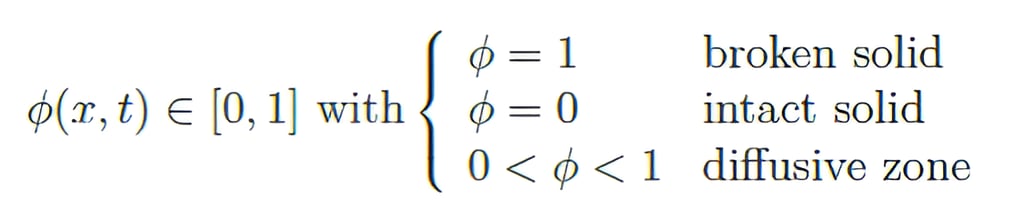
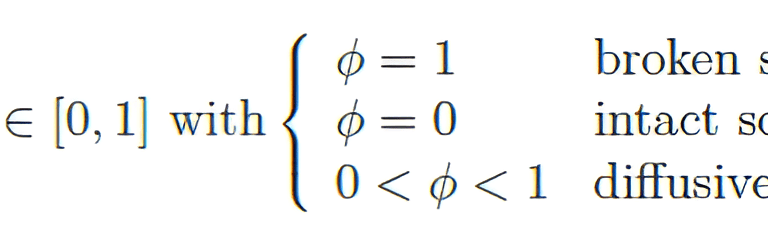
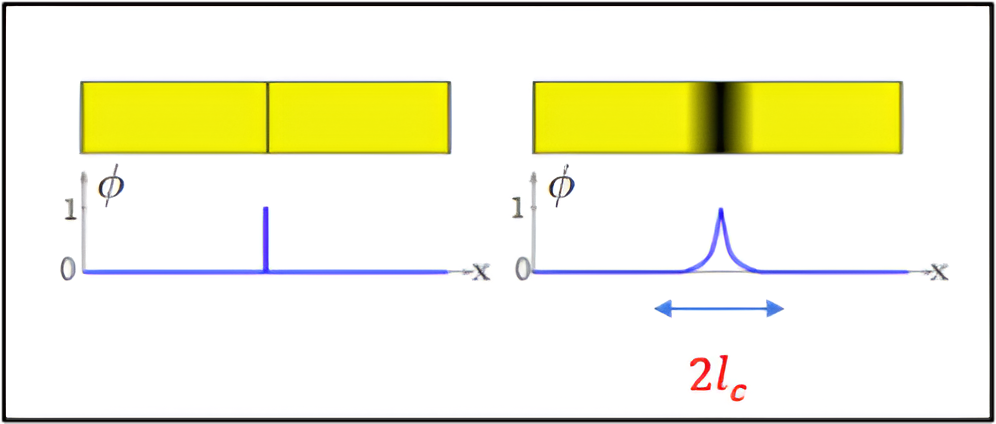
The fracture problem was formulated using a variational phase-field framework, where a scalar damage variable represents the transition from intact to fractured material. Governing equations were derived from total energy minimization, combining elastic strain energy with fracture surface energy regularized by a length-scale parameter.
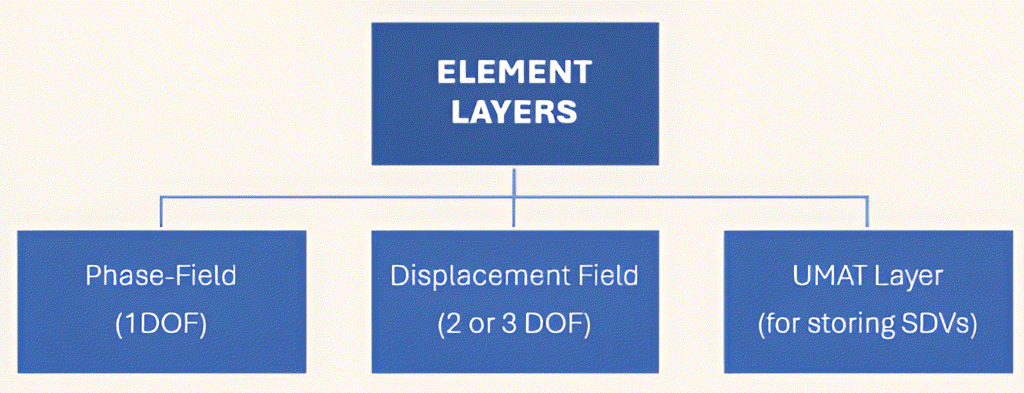
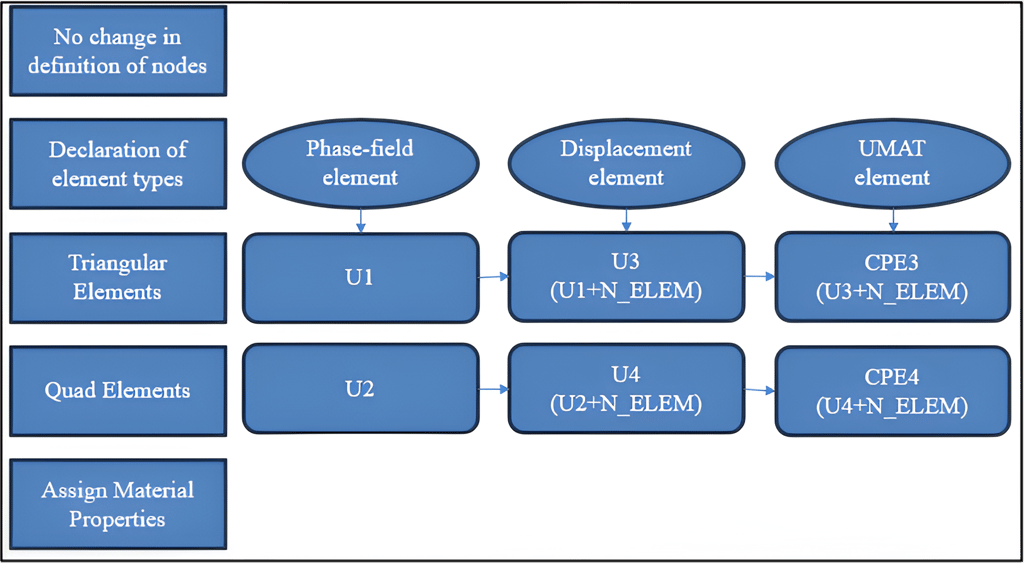
The formulation was implemented in ABAQUS using user-defined elements (UELs) written in Fortran, enabling full control over element stiffness, internal variables, and history fields. Coupled displacement and phase-field equations were solved in a staggered scheme. MATLAB was used for pre-processing, parameter studies, and post-processing of simulation results.
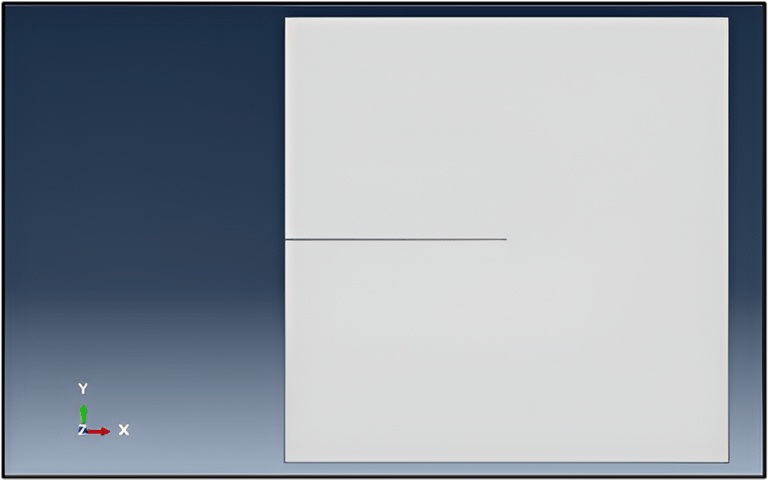
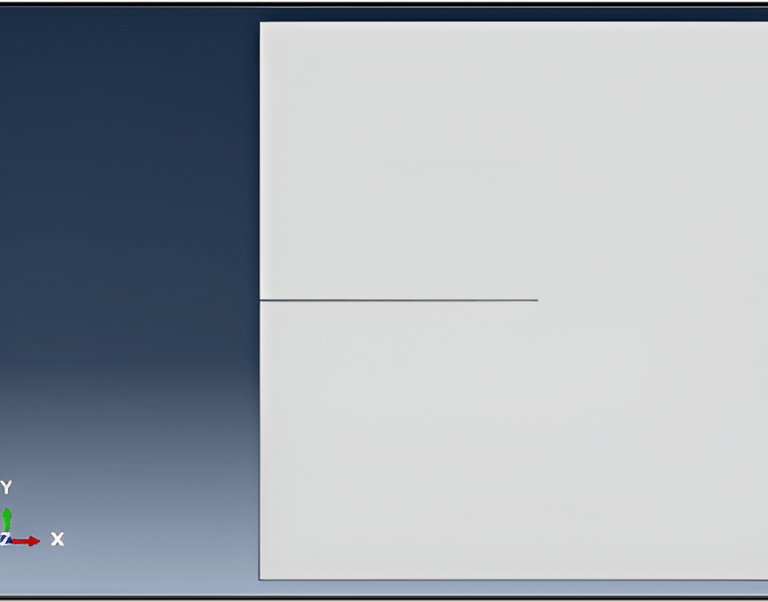
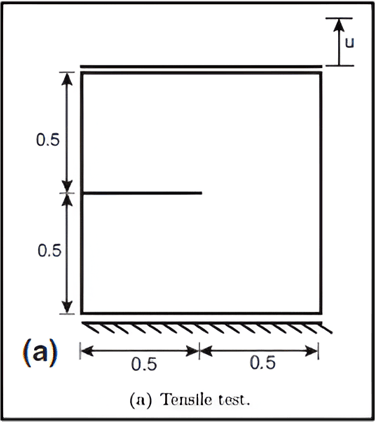
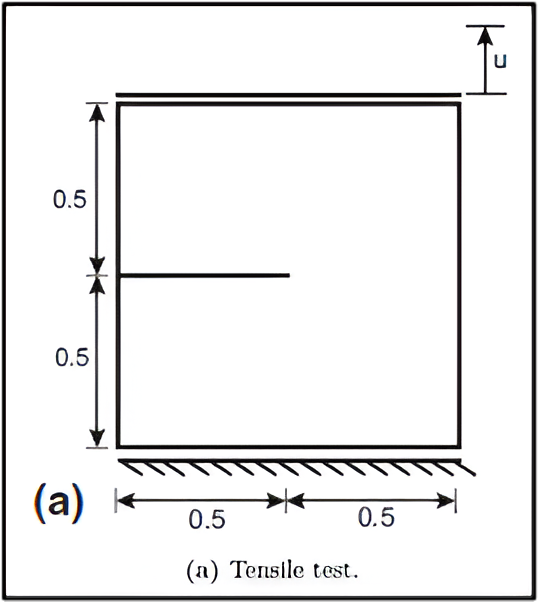
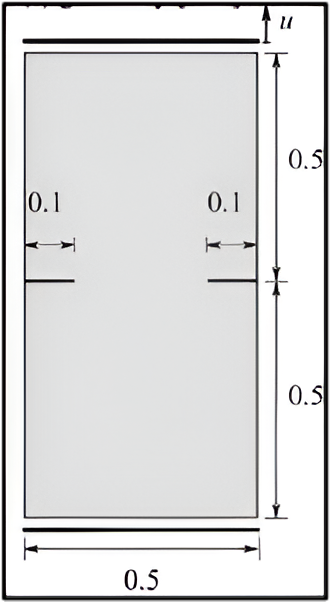
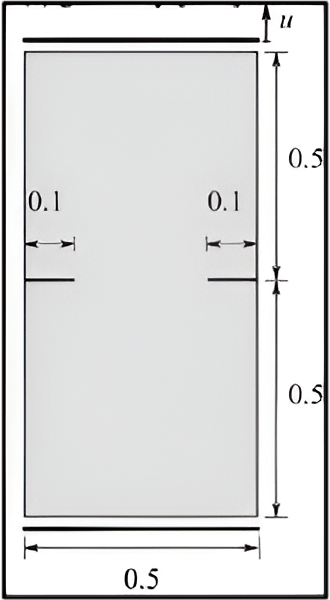
Benchmark problems were simulated to study crack initiation and evolution under:
Pure tensile loading
Shear-dominated loading
Mixed-mode tension–shear conditions
Key Results
Successfully implemented a custom phase-field fracture formulation via ABAQUS UELs
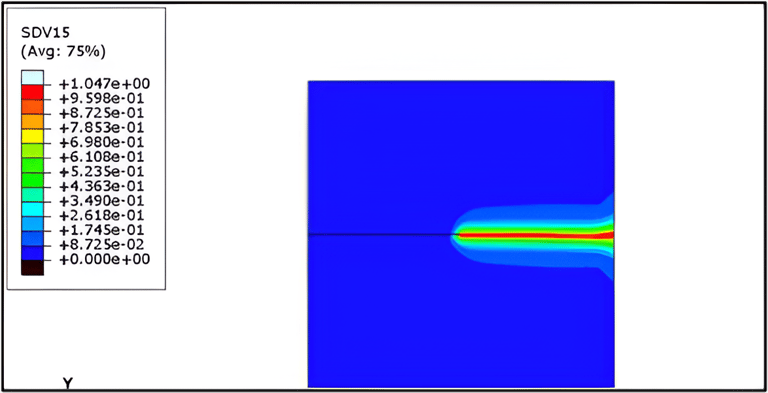
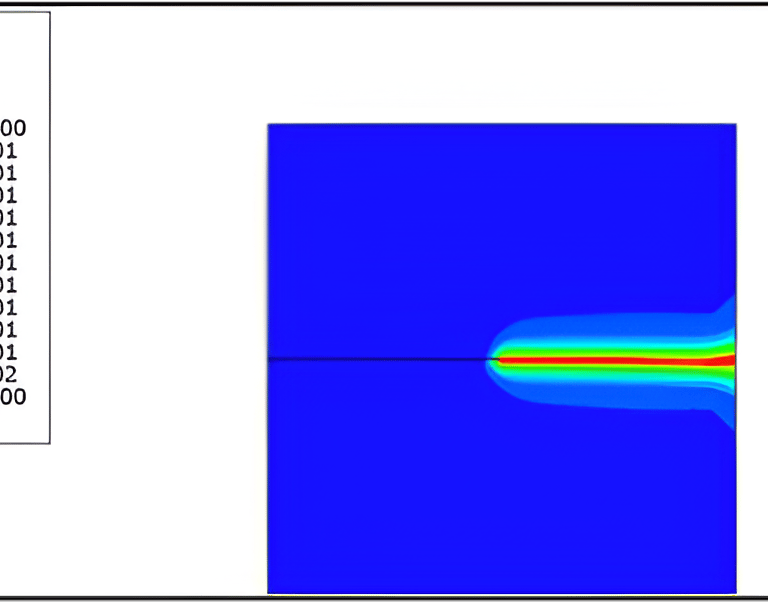
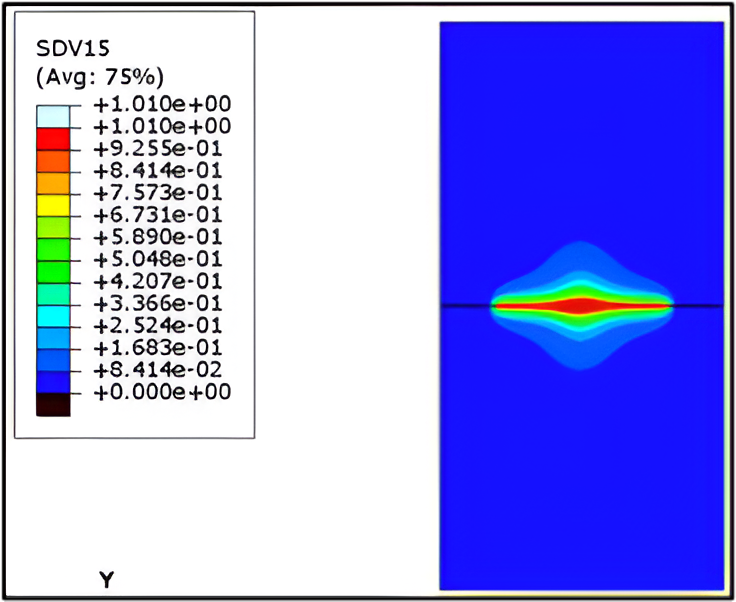
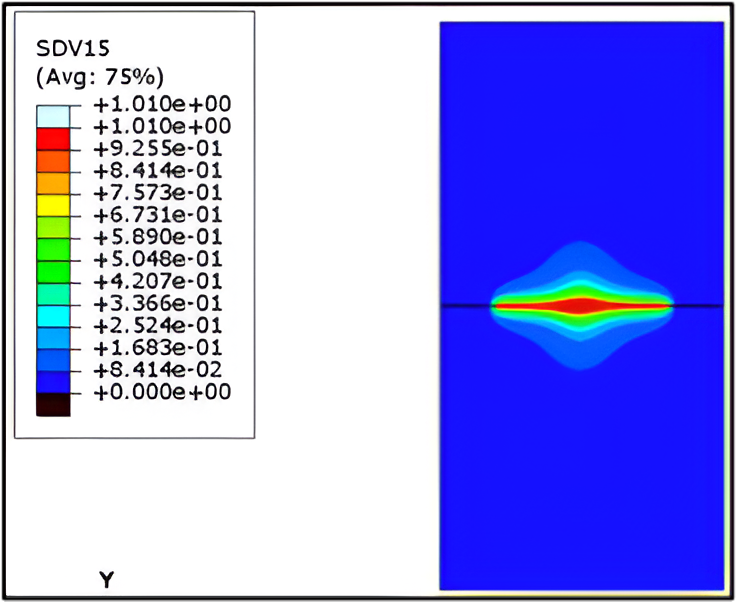
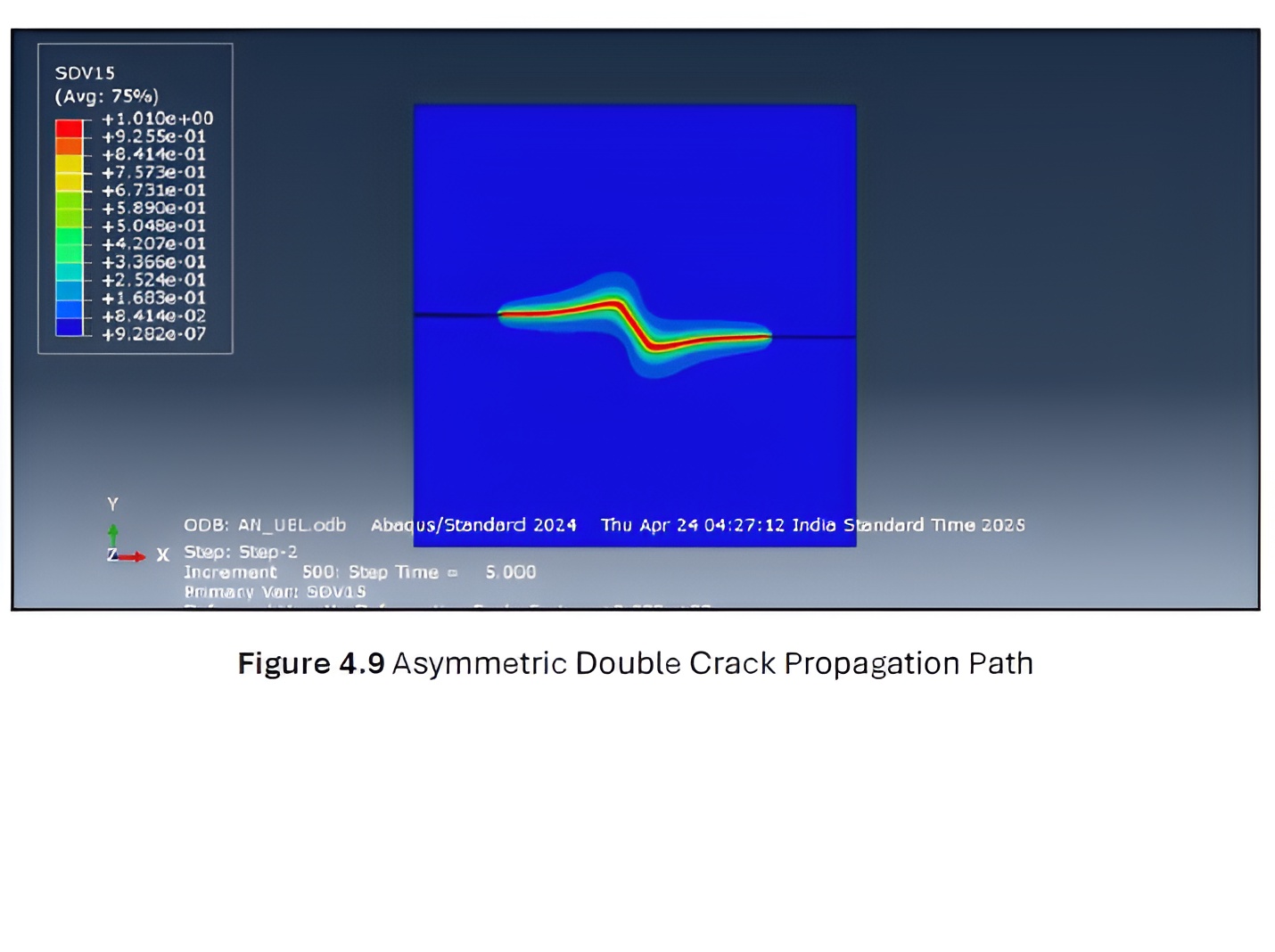
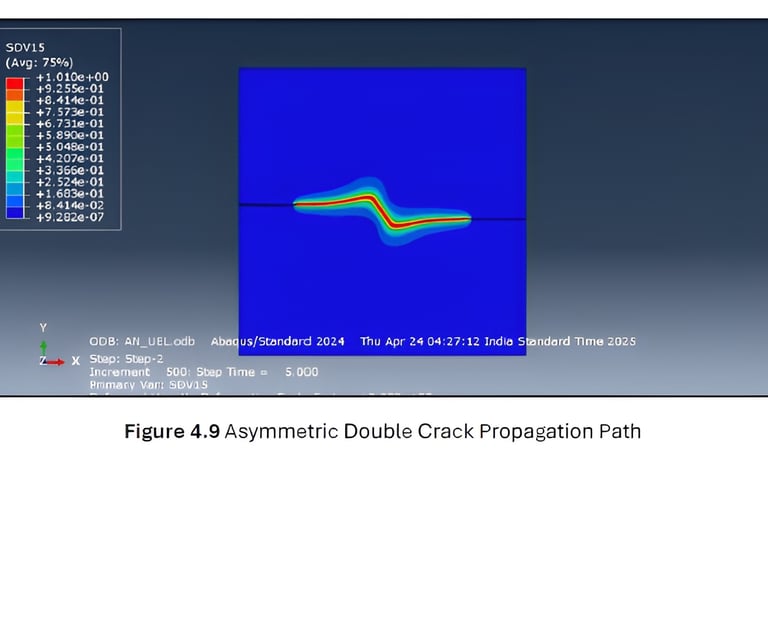
Demonstrated crack initiation and propagation without remeshing or predefined crack geometry
Captured physically consistent crack paths under tensile, shear, and mixed-mode loading
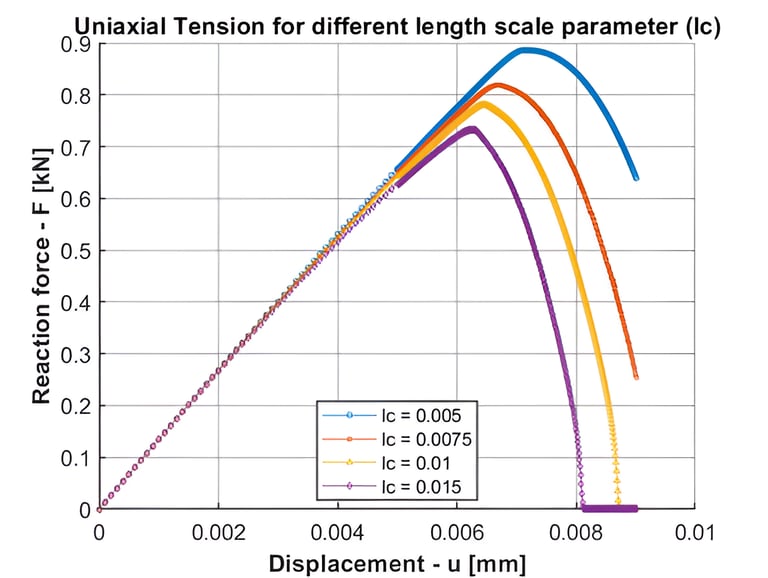
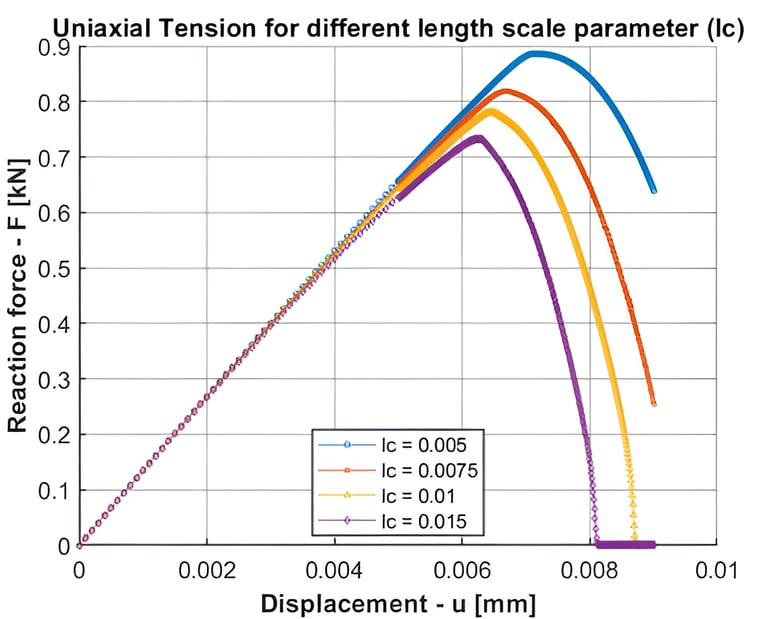
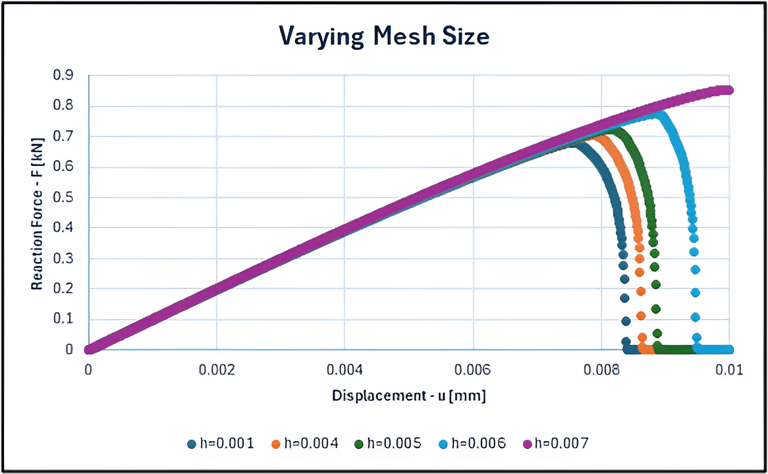
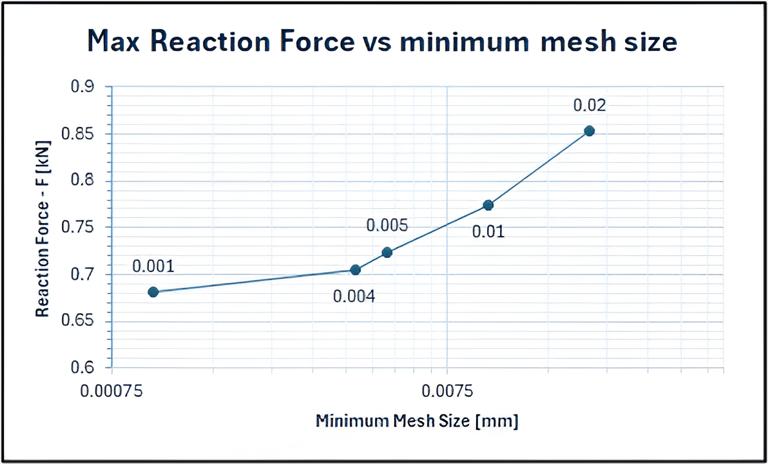
Observed strong dependence of crack localization width and propagation behavior on the phase-field length-scale parameter
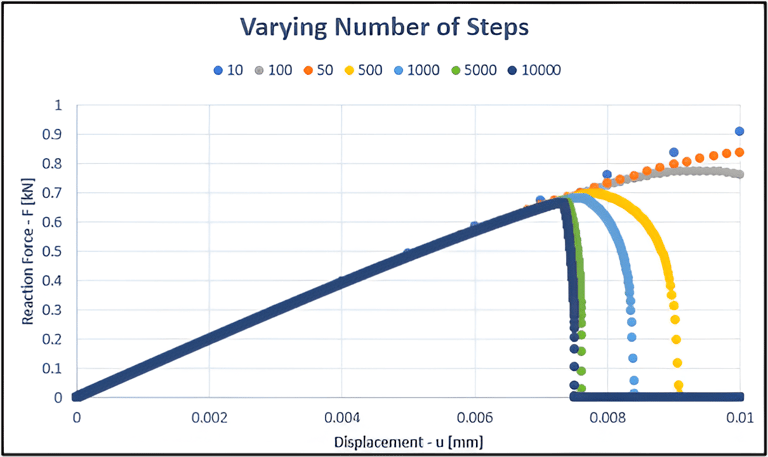
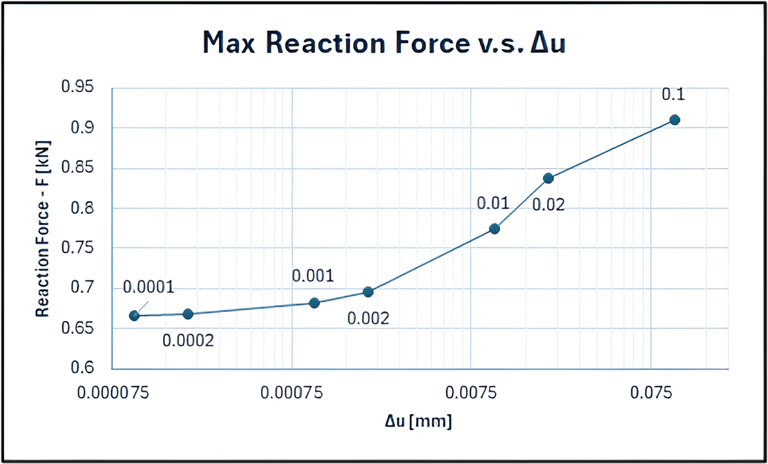
Verified stability and convergence of the staggered solution scheme across loading cases
Engineering Judgment & Trade-offs
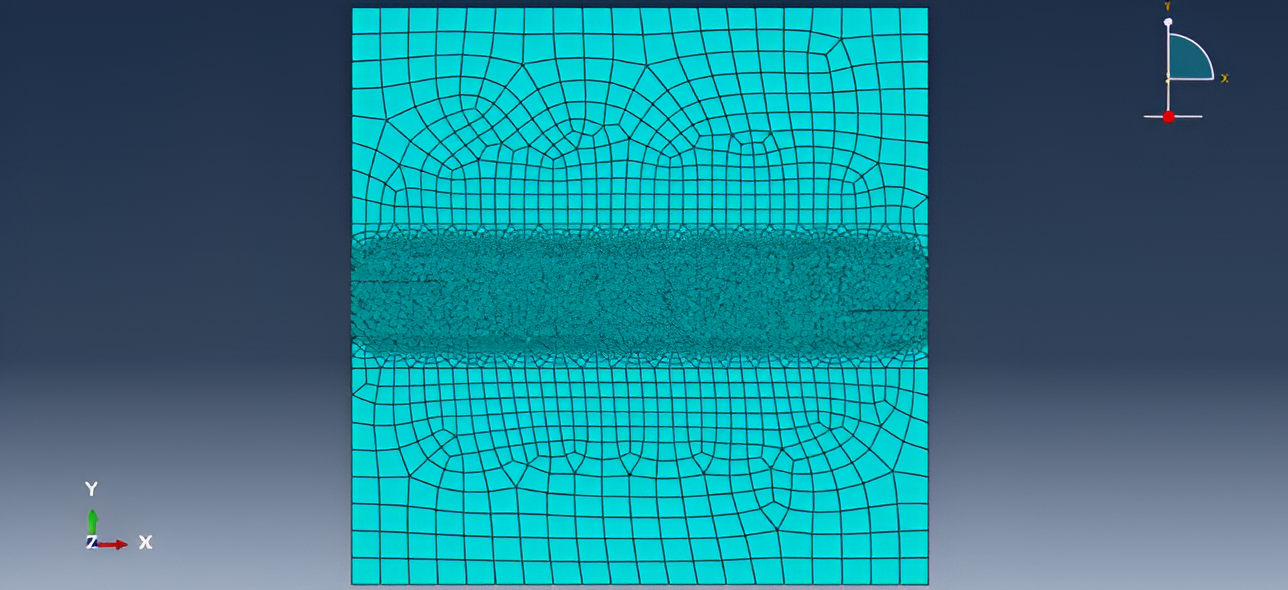
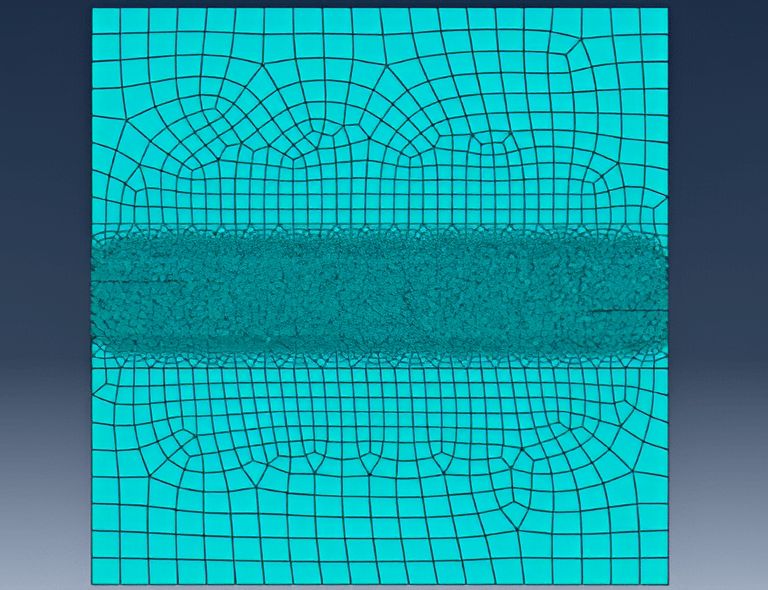
The phase-field approach offers robustness and generality but requires fine meshes near crack regions, increasing computational cost. Choice of the length-scale parameter represents a trade-off between numerical accuracy and efficiency. Implementing the formulation through UELs provided flexibility and transparency but demanded careful management of convergence and history variables compared to built-in damage models.
Tools & Methods
ABAQUS (UELs), Fortran, MATLAB, finite-element discretization, variational fracture mechanics.
Outcome / Takeaway
The project delivered a fully functional, first-principles implementation of phase-field fracture modeling and demonstrated its ability to capture complex crack behavior under multiple loading modes. The work built strong foundations in computational fracture mechanics, user-defined finite elements, and research-grade numerical modeling.